
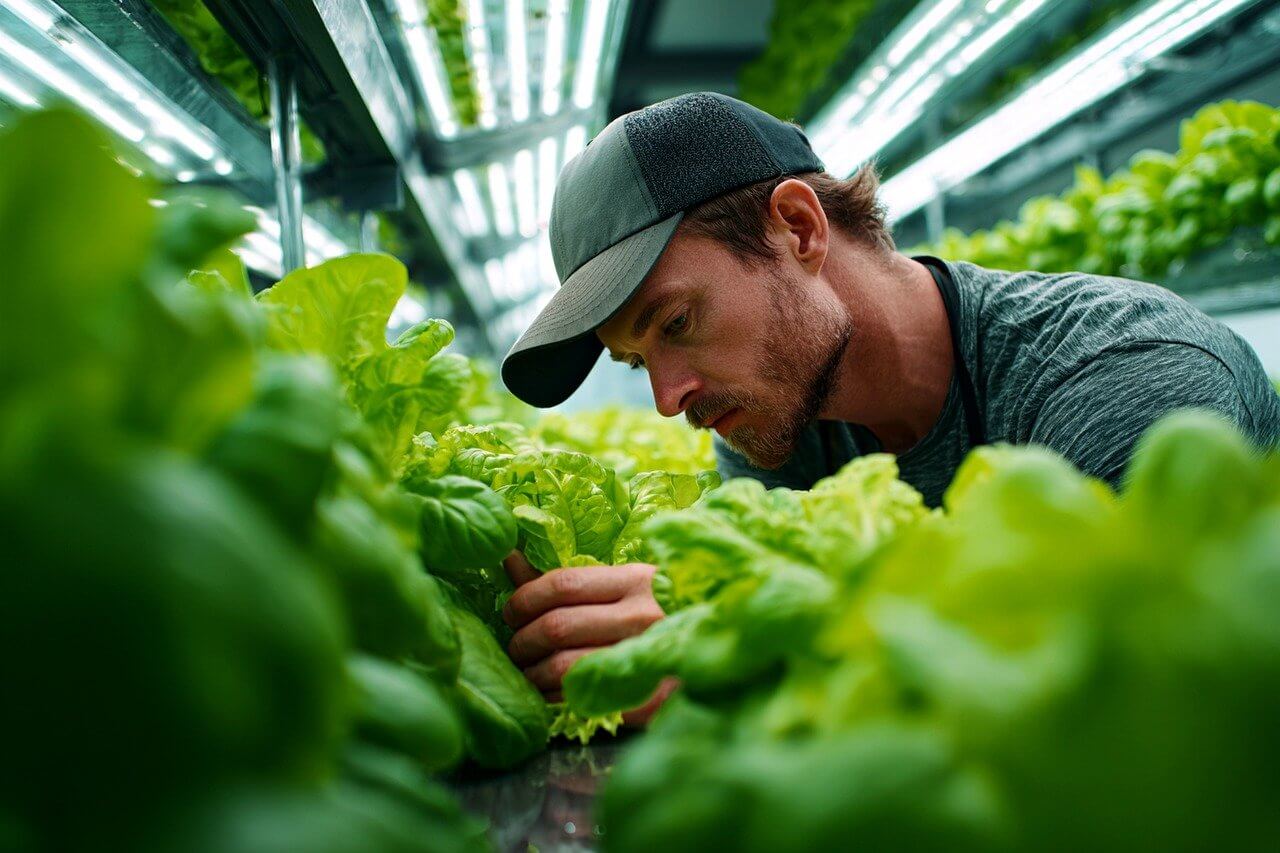
As one of the most important industries globally, farming has been affected by numerous factors that have made it unsustainable at its current level of operation. Climate change, deforestation, and ongoing genetic engineering are only a few of the reasons for the sector’s declining efficiency. The decline in crop quality and low yields is also affected by pests and diseases, which are difficult to manage.
Trying to counteract these effects through governmental incentives for entrepreneurs might be enough to sustain the challenges of the future. As climate change intensifies, the population is expected to reach 10.2 billion by around 2100. Hence, it will become more difficult to sustain the increasing population while managing climate change.
Entrepreneurs can change that with the rise of sustainable farming businesses and strategies, so let’s see what the steps of launching them are.
Opting For A Business Category
The farming sector is extended enough to welcome any startup contribution, so there are plenty of options to tap into. Depending on your expectations of workload, financing requirements, and your location, you can choose between:
- Farming is to produce vegetables, fruits, and grains;
- Farming for dairy and livestock to focus on milk, meat, wool, and leather;
- Farming with flowers, as they have great commercial success;
- Farming energy to assess renewable resources such as solar and wind;
Some niche farming options that are specifically addressing the geography include cocoa farming. Introducing sustainability in this sector is crucial to managing the challenges local farmers face, from pests to environmental issues such as soil contamination.
Although the challenge is considerable, we need to source more sustainable cocoa ingredients, as we do in any other food department. Having a proactive approach to our food means farmers are paid correctly, practices respect the environment, and waste and pollution are reduced as much as possible.
Assessing Your Resources
The resources and the land for the farm are the most important to gather in the beginning. No parcel of land is suitable for the final purpose, so you must check soil quality, assess climate conditions, and verify water availability in the area to sustain crops or livestock.
Given that your business will contribute to the local supply chain, collaborating with the right suppliers might help you find a faster route to financing and sustainability. In niche sectors of cocoa, for example, Ofi is a leader in the natural food and beverage industry, pursuing some of the best solutions to bring green farming closer to people.
It’s best to have a network of entrepreneurs who can help with anything during the research process, especially since a farming business requires expensive machinery like tractors, irrigation systems, and storage facilities. You could also check the local governments’ plans to support agricultural commodities for additional support.
Finding The Best Sustainable Farming Technique
There’s no one-size-fits-all approach to green farming, as methods can be introduced more efficiently by beginners in the industry. Some of these include the following:
- Organic farming emphasizes practices that respect the environment and wildlife. This means avoiding using synthetic pesticides and fertilizers or genetic engineering, but focusing on a healthy soil, crop rotation, and biological pest control;
- Aquaponics and hydroponics are soilless farming techniques in which you raise fish or grow plants with nutrient-rich water only. The methods leverage a circular use of resources, where fish waste is nutritious for plants, while the plants purify the water for the fish;
- Agroforestry integrates trees and shrubs in farming environments to enhance the benefits of resilient food production, more space for wildlife, and nourish the soil. Trees also contribute to a healthier environment by cutting down on gas emissions and storing nutrients in the soil;
Eliminating Synthetic Fertilizers And Pesticides
The best way to ensure the business remains sustainable is to stop using synthetic pest-control solutions, as they damage the soil and harm crops and animals. Researching the safest solutions might lead you to the following strategies:
- Biochar for soil amendment. This form of charcoal is made from organic materials that increase nutrient absorption in the soil, enhance water infiltration, and improve aeration. In addition, biochar allows good microorganisms to thrive, like bacteria and fungi, and contribute to the decomposition of organic matter;
- Targeted fertilizer application. This is a precision agriculture method that involves applying specific fertilizers to plants based on their nutrient deficiencies or excesses. Farmers can use GPS-guided machinery and similar tools for variable rate applicators to create a nutrient map and update it efficiently;
- Crop rotation. Maybe one of the oldest but underrated sustainable farming techniques, crop rotation involves rotating crops on the same land in successive seasons to ensure variety. Rotating the crops is best for leguminous plants since they thrive in symbiotic relationships with nitrogen-fixing bacteria;
Marketing And Selling Products
Finally, the farming business is also about profit, so you must find ways to attract customers and build loyal communities that can help maintain the green farm. Your target market will usually be local consumers who want fresh, organic produce, as well as restaurants and grocery stores that require high-quality, seasonal produce.
It’s best to focus on diverse sales channels to reach different audiences, which is why getting help from a marketing professional might be needed. Having a solid presence on social media but being easily reachable through traditional channels like email or phone will boost the business by making it easier for customers to reach your products.
Conclusion
A sustainable business in the farming industry is one of the most needed at the moment, given the challenges the food industry faces due to climate change. Contributing to a safer, healthier future means supporting eco-friendly farming startups that prioritize organic produce and find ways to eliminate the need for synthetic fertilizers. At the same time, drawing on examples from prominent businesses in the industry is ideal for building a network of collaborators and helping startups rise in the market. Proper marketing is also necessary for the business to thrive, so experimenting with communication channels and content creation is a good idea.