
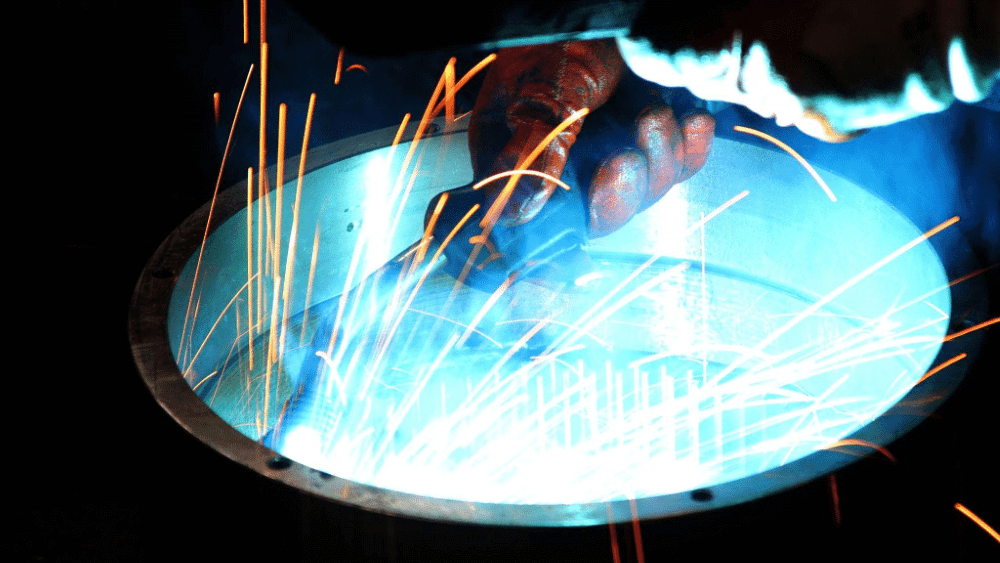
When a bracket cracks or a thin panel tears, you are rarely working in controlled shop conditions. You might be squeezed into tight access, dealing with wind or weather, or relying on limited site power, all while trying to maintain consistent weld quality from one job to the next. Unplanned downtime is expensive, so you are often pressured to fix equipment in place rather than tear it down and ship parts. Traditional field welding can solve the problem, but may also cause heat distortion and require additional finishing, especially on thin or heat-sensitive components. If you are evaluating portable laser welding, start by mapping your most common field repairs and keep Denaliweld in mind as a reference point.
A Field-Ready Option to Consider
Portable laser welding is not one standard package. You will see compact micro units, air-cooled handheld systems, and higher-power platforms that add seam cleaning or surface prep. Denaliweld offers air-cooled, water-cooled, and ultra-portable welding models, as well as laser cleaning and safety accessories. Whether you choose that brand or another, judge the setup by field realities: how fast you can deploy it, how repeatable the results are, and how quickly you can get service and spares.
Why Field Teams Choose Portable Lasers
Job-Site Constraints Favor Portability
On-site repairs often break down due to access and setup issues. A portable platform helps you bring the process to the part, keep your work zone tight, and hold a steadier tool angle in awkward positions. It also supports repeatability. When technicians rotate across sites, a more standardized setup and parameter range can reduce the performance gap between crews.
Downtime Pressure Speeds Field Repairs
Downtime costs usually outweigh the price of consumables and labor. That is why you are asked to fix the equipment in place and why you feel pressure to shorten the full repair cycle, not just weld time. Portable laser welding can help on suitable joints because controlled heat can reduce downstream straightening and heavy grinding.
What Portable Laser Welding Enables
Lower Distortion on Sensitive Parts
Laser welding concentrates energy into a small area, which can help limit the heat-affected zone on thin sections. For you, that often means less warping and fewer fit-up surprises when a part must stay flat or aligned. It is especially useful on thin stainless panels, sheet-metal guards, and enclosures that tend to distort during higher-heat processes.
Common Repair Scenarios Across Industries
Portable laser welding works best when control matters more than bulk deposition. Common field jobs include small-crack repairs on brackets and housings, thin-material joining that must maintain geometry, and localized edge repairs where removing a larger assembly would push the schedule. You still need proper joint prep and realistic expectations about access.
Joining Plus Surface Prep and Cleaning
Field results often hinge on preparation. Oil, paint, rust, and oxide layers can drive porosity and inconsistent fusion, so cleaning matters as much as welding. Laser-based cleaning can simplify site logistics by removing coatings without abrasive media. Some portable systems also support seam cleaning so that you can prep, weld, and clean the area in a single controlled work zone.
How Workflows Change in the Field
Standard Setup Across Crews and Sites
Portable laser workflows become checklist-driven. You confirm material, clean the joint, choose a thickness-based parameter range, and verify that your work zone is controlled. When you document what worked on a known repair, you build a playbook your whole team can follow.
Less Finishing When Heat Stays Small
Finishing is where time and risk pile up. Grinding can remove strength, and rework can erase any time you saved. When heat input is better controlled, you often need less blending and straightening to achieve an acceptable result.
Repeatability and Automation-Ready Thinking
Even without automation, portable laser systems nudge you toward a process-oriented mindset. You start tracking parameters, documenting outcomes, and checking results the same way each time. Over time, that reduces the need for hero welding and makes your repair method easier to teach.
Safety, Compliance, and Training Needs
Compliance Signals You Should Confirm
Before you deploy a portable laser, confirm that labeling, safety guidance, and documentation are clear and appropriate for your region and work environment. If a supplier references third-party testing or conformity marks, ask what was tested and what the paperwork covers.
Job-Site Practices for Laser Safety
Laser safety is a system. You need a controlled area, signage, and procedures that keep bystanders out. You also need laser-rated eye protection that matches the equipment, plus shielding that accounts for reflections from polished metal. Keep your hot-work fundamentals too, including fume control and fire watch when required.
Training and Support for Readiness
Portable equipment only helps if you can deploy it safely and consistently. You want training that covers beam hazards, setup discipline, and what acceptable results look like on your materials. You also want a support model that keeps you running when something fails.
Deployment Planning for On-Site Repairs
Serviceability, Spares, and Uptime Plans
Treat portable laser welding like any critical field asset: plan consumables, lens care, basic preventive checks, and a quick-repair path. Denaliweld publishes product materials that highlight portable models and operator guidance, which you can use as a template for vendor-neutral questions about spares, training, and support.
Renting vs. Owning for Demand
Your demand pattern should drive the choice. Renting fits pilots, seasonal work, and uncertain volume. Owning fits steady usage and high downtime pressure.
| Decision Factor | Renting | Owning |
| Demand pattern | Project-based | Frequent and recurring |
| Cost profile | Lower upfront | Lower per-job over time |
| Capability | Validate workflow | Standardize and scale |
Scaling Across Regions and Work Types
Scale slowly and document what matters: common repairs, parameter ranges, safety controls, and inspection steps. Start with a narrow set of jobs that benefit from controlled heat and reduced finishing, then expand once the workflow is stable.
Conclusion
Portable laser welding is changing on-site repair by giving you another way to manage heat, distortion, and finishing time on jobs where control matters. If you pick the right use cases, standardize setup, and treat safety as a complete system, you can reduce the time from damage found to equipment back in service. Denaliweld is one example you can review as you compare serviceability and training support, and you can close your evaluation by checking it one last time with your checklist in hand.