
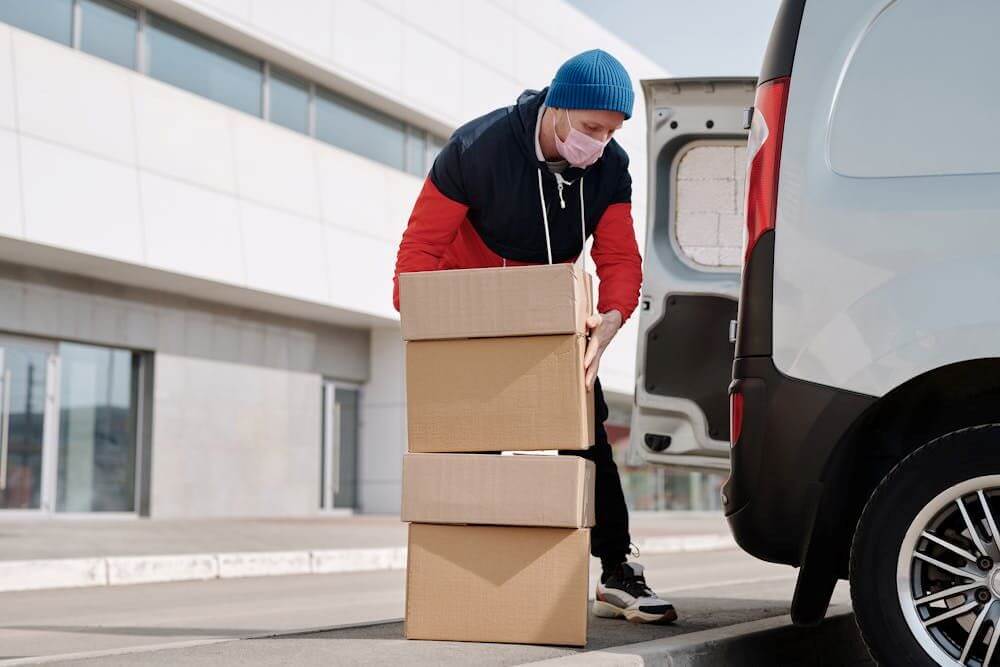
Speed is now a necessity for every retail business. Today, customers seek a fast but reliable service. Quick deliveries are now a key metric for measuring supply chain success.
Same-day shipping is no longer a perk. Instead, it represents a refined strategy aimed at winning customer loyalty. Additionally, it helps reduce cart abandonment rates.
Same-day delivery platforms reshape B2C e-commerce fulfillment by streamlining business growth in an already competitive environment.
Importance of Same-Day Delivery
People pay attention to shipping time just like they do to the cost of products. A long wait might lead to abandonment of the shopping cart. Businesses that promise speedy delivery gain the trust of their customers and seem more dependable.
This approach is essential for:
- Healthcare: Urgent medicines or lab samples
- Corporate companies: Contracts, documents, and prototypes that require urgent delivery.
- Retail and D2C companies: Completing orders quickly increases customer trust and repeat ratios.
By combining trust with urgency, companies gain credibility and efficiency. By combining trust with urgency, particularly through reliable options like same day delivery London services, companies gain both credibility and efficiency within a bustling metropolitan area.
Competitive Advantage in Online Shopping
Speed is the new benchmark in B2C e-commerce fulfillment. So, sellers must partner with advanced logistics partners to ensure quick deliveries.
Quick deliveries boost customer retention. It also diminishes the return rate.
For instance, a buyer who gets quality products within hours from an online platform is likely to shop again. This results in better brand reputation and higher sales.
Steps Involved in Same-day Delivery
- Order Placement: Confirmed within the cutoff period.
- Inventory Check: Products are allocated from the closest warehouse or store.
- Order Confirmation and Packing: Orders are picked and prepared by staff or automated systems.
- Driver Assignment: The delivery partner collects the package.
- Route Optimization: Software determines the optimal path.
- Customer Tracking: They receive live updates.
- Final Delivery: Products reach consumers within four to eight hours.
To succeed in this process, retailers should know about:
- Accurate stock visibility
- Nearby warehouses
- Good last-mile delivery
How it Helps Consumers
- Instant access: Groceries, chargers, or gifts delivered within hours.
- Reduced stress: Urgent items like flowers or medicines arrive without delay.
- Better experience: Shop from home and skip long queues.
- Impulse satisfaction: Quick access encourages spontaneous purchases.
- Control and transparency: Live tracking and time slots improve reliability.
Benefits to Businesses
- Higher conversions – Customers are more likely to complete purchases when fast delivery is available.
- Customer loyalty – Consistent service builds repeat buying.
- Inventory efficiency – Rapid turnover reduces holding costs.
- Market advantage – Quick service differentiates brands in crowded industries.
- Revenue growth – Frequent, smaller orders add to overall sales volume.
Issues Companies Face
While B2C e-commerce fulfillment is powerful, it has challenges like:
- High operating costs – Fleets, fuel, and labor increase expenses.
- Complex logistics – Delays in tracking or stock allocation disrupt the flow.
- Limited reach – More feasible in dense urban zones than rural areas.
- Tech dependency – System glitches affect day-to-day operations.
- Customer expectations – Even minor delays can damage trust.
Smart partnerships with advanced logistics providers and courier partners can help overcome these issues. AI-driven route planning and predictive analytics can enhance the system’s performance.
Role of Tech
The infrastructure necessary for new-age logistics includes:
- Smart warehousing – Automates inventory and order processing.
- Real-time analytics – Ensures faster decision-making on stock and routing.
- AI and automation – Optimize picking, packing, and delivery times.
- Drones and autonomous vehicles – Future-ready tools to bypass traffic.
- GPS tracking – Provides transparency for businesses and buyers.
Recommended Strategies for Businesses
Online retailers could:
- Enhance their supply chain and reduce delays
- Upgrade to advanced software and automation tools
- Engage dependable third-party logistics companies
- Offer flexible delivery times and collection points
- Provide efficient client support to facilitate prompt problem-solving
Growth Driver for a B2C E-commerce Organization
Same-day service increases sales, enhances customer loyalty, and strengthens brand value. It improves credibility among the organization’s suppliers and partners in B2B relations. The model establishes a scalable infrastructure that can meet increasing demand in high-density markets.
The Road Ahead
Quick delivery services are critical to how businesses win and retain clients. Companies that consistently offer smarter, faster delivery services have the most promising future in B2C commerce.