
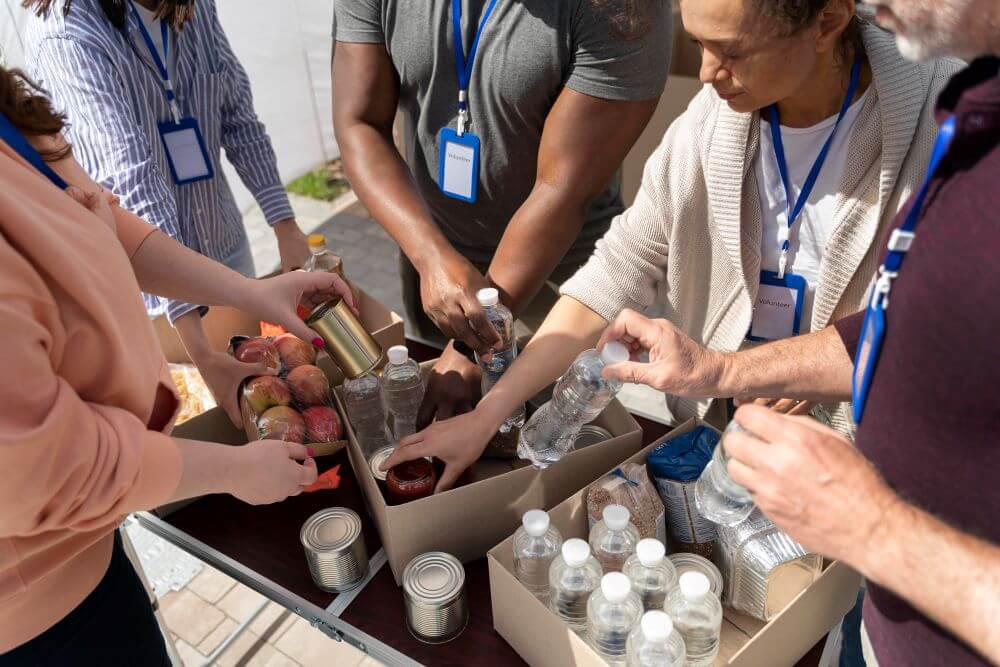
Large nonprofits depend on volunteer strength to support programs, outreach, fundraising drives, and daily tasks. Engagement becomes a major priority when teams expand, projects scale, and the impact expectation stays high. Volunteers remain productive when they feel guided, valued, and connected to purpose. A strong approach leads to better participation and longer retention across departments.
Growing organizations soon see gaps without proper planning and structure. Effective communication, recognition programs, clear onboarding, and leadership support give volunteers the direction they need to perform well. Many nonprofits now turn to volunteer management software to maintain this momentum with easier scheduling and role coordination. A balanced strategy encourages commitment and transforms casual helpers into long-term contributors.
Provide Clear Roles and Expectations
Confusion weakens engagement, especially when volunteers feel unsure about responsibility. A defined structure protects teams from delays and misalignment. Job descriptions, time estimates, and outcome clarity improve workflow during events or field work. Large nonprofits benefit from consistent performance because every person knows where they stand and what they must deliver.
Role clarity also helps reduce unnecessary back-and-forth communication. New volunteers get confidence when tasks appear organized. Managers save time during delegation. A simple plan can improve teamwork without heavy supervision.
Streamlined Onboarding and Training
A positive start influences volunteer enthusiasm and willingness to return. Orientation gives insight into mission, rules, and project expectations. Training strengthens skills, improves accuracy, and reduces errors in service tasks. A smooth welcome builds comfort and trust between leaders and volunteers.
Orientation With Purpose
Orientation sessions explain processes, values, and volunteer flow. People feel accepted when someone guides them through their first day. They gain awareness of how their time supports the organization.
Skill-Based Training Sessions
Training addresses real scenarios volunteers may encounter. Project-specific instructions create better results during events. Teams discover hidden strengths when they receive proper skill exposure.
Improve Communication Pathways
Communication channels shape their experience at scale. Updates must reach people without delay, especially during time-sensitive programs. A system for announcements, queries, and guidance eliminates guesswork and stress. Quick replies demonstrate respect for volunteer time and show accountability from leadership.
Large nonprofits use tools for alerts, schedules, and team notices. This reduces miscommunication between site leads and project managers. The work environment becomes calmer when information stays accessible. Volunteers respond better when they feel informed instead of uncertain.
Foster a Recognition Culture
Recognition keeps morale high and motivates people to remain active. Public appreciation shows volunteers that their output matters. Reward programs, badges, or spotlight posts give emotional satisfaction. Those who feel valued rarely withdraw without reason.
Reward Systems for Motivation
Small tokens or digital certificates create pride. Highlighting achievements encourages teamwork and repeat participation. Celebrating wins makes every contributor feel noticed.
Milestone Celebrations
Milestones mark progress that inspires teams. Gathering volunteers to honor these moments strengthens relationships. It also reinforces the idea that collective effort leads to success.
Use Technology to Boost Coordination
Technology brings structure to large-scale programs with multiple events, shifts, and departments. Automated scheduling, attendance tracking, and performance data make planning less stressful. Many nonprofits use volunteer management software to reduce manual tasks and create better insight into volunteer availability. When teams access information on a central dashboard, coordination becomes smoother.
Strong volunteer engagement does not happen by chance. It grows through communication, recognition, onboarding, and the strategic use of technology. Large nonprofits thrive when they feel respected, useful, and heard. With the right methods, organizations transform their energy into a long-lasting impact that supports every mission goal.