
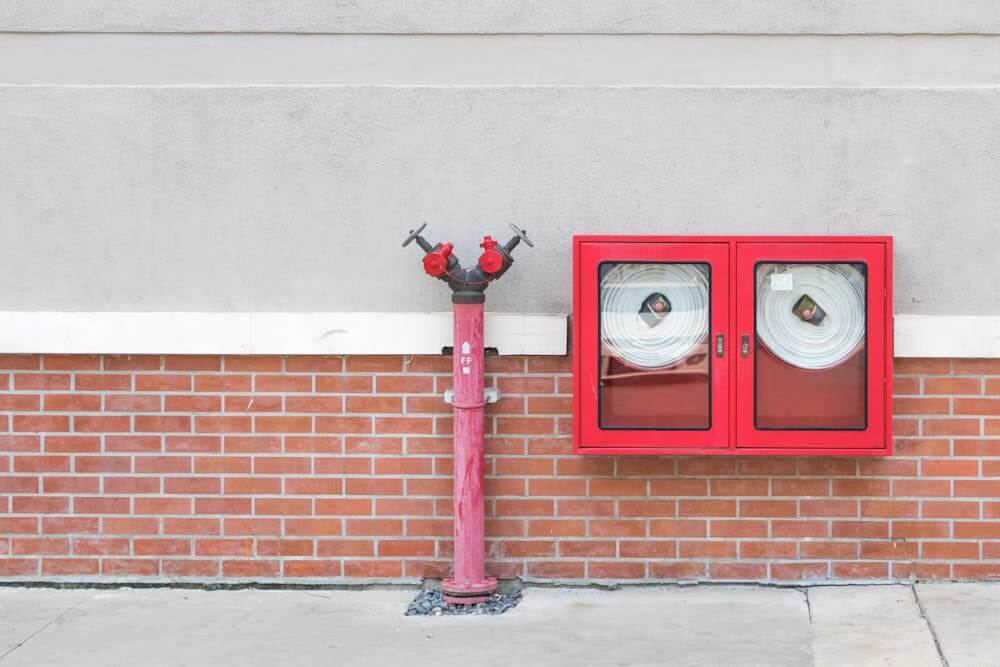
Every commercial building in California must meet fire protection requirements that protect people, property, and business operations. The state’s building and fire codes set clear standards for how alarms, sprinklers, and other safety systems must perform within workplaces, stores, and industrial spaces. These rules make sure every commercial property includes the right fire protection systems to meet California law and national safety standards.
Understanding these requirements helps owners and facility managers maintain compliance and avoid costly violations. From fire code regulations to monitoring systems and alarms, each part plays a role in reducing risk and improving safety. This overview outlines what types of protection systems California law expects in commercial buildings and how they work together to create a safer environment.
California Fire Code Compliance
Commercial buildings in California must follow the California Fire Code, which sets rules for fire alarm systems, sprinklers, extinguishers, and emergency equipment. The code helps protect occupants by defining how systems must be installed, tested, and maintained. Local authorities may add extra requirements, so property owners must coordinate with their city or county fire departments.
Compliance involves regular inspections, documentation, and prompt repairs. Licensed contractors handle most of this work to confirm that equipment meets national and state standards such as NFPA 72 for alarms and NFPA 13 for sprinklers. Proper records must be kept for review during annual inspections.
Service providers such as Spectrum for Fire Protection help businesses meet these rules across Southern California. They design and maintain fire sprinkler systems, suppression systems, and emergency lighting to keep properties safe and compliant. Their technicians also test fire pumps, hydrants, and extinguishers so that every component functions as required under California law.
NFPA 72 Fire Alarm Systems
NFPA 72 outlines how fire alarm systems must be designed, installed, and maintained in commercial buildings. It sets the baseline for how detectors, control panels, and notification devices operate together to warn people and report emergencies quickly.
The code applies to both new constructions and existing buildings. It describes how alarms must detect smoke, heat, or gas and send signals to alert occupants and emergency personnel. Each component must meet performance standards and pass inspections at regular intervals.
In California, meeting NFPA 72 requirements helps a building satisfy state fire safety laws. Local authorities often reference this code in plan reviews and permit approvals. Therefore, understanding its basics helps building owners and contractors stay compliant and maintain safe facilities.
The code also covers communication systems that support mass notifications for events like fires or other hazards. These features help protect occupants and support clear responses during emergencies.
Monitored Fire Alarm Control Panels
A monitored fire alarm control panel serves as the main hub of a commercial fire detection system. It connects detectors, pull stations, and notification devices through hardwired or addressable circuits. The panel evaluates signals and activates alarms if it detects heat, smoke, or manual input.
California regulations follow the California Fire Code, Title 24, and NFPA 72 standards. These codes require commercial buildings to use approved fire alarm panels that can send alarm signals to a supervising station. This setup allows immediate contact with emergency responders, which helps reduce response time and property damage.
The type of panel depends on the building size and layout. Larger buildings often use addressable systems for more precise location tracking, while smaller properties may use conventional panels. Regular inspection and testing keep these systems in working condition. A properly monitored panel gives occupants and first responders dependable information during a fire event.
Audible and Visual Notification Appliances
California commercial buildings must include both audible and visual fire alarm notification appliances as required by the state fire and building codes aligned with NFPA 72. These devices alert occupants through sound and light, helping people recognize an emergency and respond without delay.
Audible notification appliances, such as horns or speakers, must provide clear and distinct sound signals. They must remain loud enough to be heard above normal background noise but not so loud that they cause confusion. The sound level and placement must meet code standards for consistency throughout occupied areas.
Visual notification appliances include strobes or flashing lights that help alert occupants with hearing loss or in spaces where noise levels are high. Regulations require these lights to meet brightness and placement standards to cover the intended area effectively. In some special occupancies, such as elevator cars or hospital rooms under constant supervision, visual alarms may not be required if other safety systems meet code requirements.
Automatic Fire Sprinkler Systems per CBC
The California Building Code (CBC) requires automatic fire sprinkler systems in most new commercial buildings to reduce fire risk and protect occupants. These systems must meet design and installation standards based on the building’s size, use, and occupancy classification.
Sprinklers are required in spaces such as assembly areas, high-rise buildings, hazardous material storage, and locations with large occupant loads. The CBC references several national standards, including NFPA 13, for system design and performance.
If an existing building undergoes major renovation or change in use, sprinkler installation may also become necessary. The more restrictive rule applies when local ordinances or state codes differ.
Qualified professionals must design and install sprinkler systems under state licensing rules. Regular inspection and maintenance follow NFPA 25 to confirm proper operation and compliance. Failure to maintain the system can lead to code violations and increased fire hazards.
Conclusion
Fire protection systems in California commercial buildings follow strict state and national standards to promote safety and code compliance. These systems include fire alarms, sprinklers, extinguishers, and emergency communication equipment, each playing a defined role in preventing and controlling fires.
Every property must meet the California Fire Code, Title 24, and NFPA requirements based on the building’s use, size, and occupancy type. Regular inspection and maintenance by licensed professionals help facilities stay compliant and functional at all times.
Sound fire protection planning allows building owners to reduce risk, meet legal obligations, and protect people and assets. By following the proper codes and maintaining systems properly, commercial properties can meet safety expectations and operate more responsibly.