
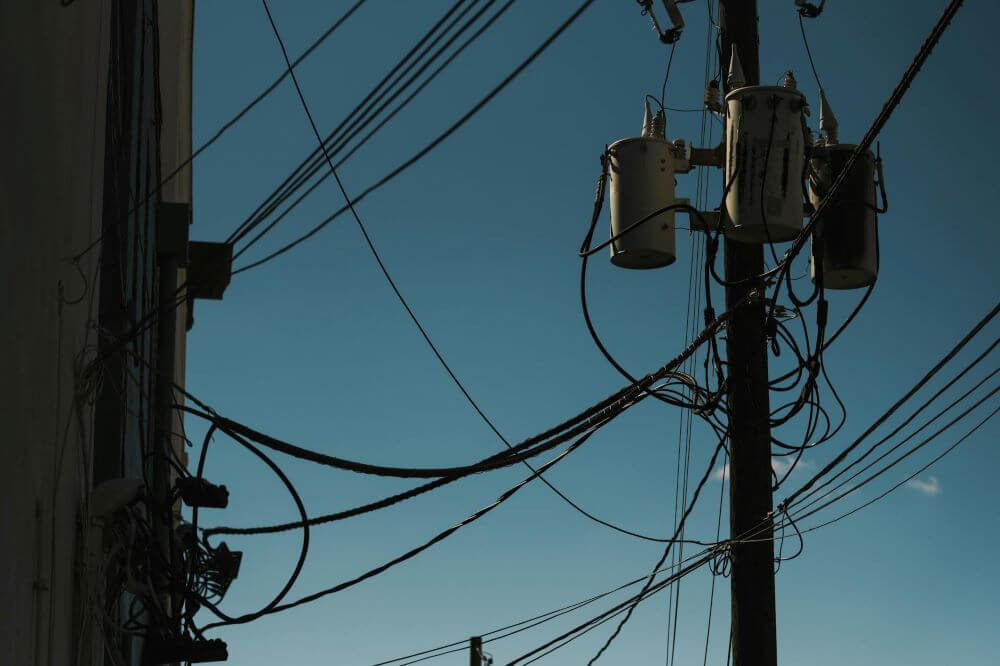
Electric power distribution is one stage of the power system with a specific purpose. At this stage, electric power is delivered to end users, from the transmission grid where important is transmission networks and continuous supply. Simply put, it’s the system that allows us to use electricity daily in homes and apartments.
- Electric power distribution – what is it?
- Electric power distribution – the most important components
- Electrical power distribution – what is the importance of copper?
Electric power distribution – what is it?
Approaching the topic professionally, you need to know that an electrical power distribution system encompasses many components. These include transformer stations, lines, and distribution networks. They are responsible for distributing electrical energy at two levels – medium voltage and low voltage. What does this mean in practice?
Electrical power distribution is designed to safely reduce voltage and distribute energy locally, delivering it to homes, businesses, and factories, for example. Today, power distribution systems are very modern, and it’s a significant, even crucial, part of the electricity system. It’s thanks to these systems that we can enjoy stable and continuous energy of appropriate quality.
Electric power distribution systems are actually part of a larger system, the power grid. Thanks to them, electricity networks are able to connect, generate, and transmit energy. Efficient distribution systems today allow us to use electrical power very efficiently. The integration of renewable energy sources is also crucial.
Electric Power Distribution – Key Components
Like any system, this one also consists of several crucial components that enable its efficient operation. In the case of electric power distribution, these components include:
- cable and overhead power lines,
- transformers,
- transformer stations and distribution boards,
- control and safety devices,
- energy meters.
The most important material involved in power distribution and responsible for the proper operation of the power distribution system is copper. Why?
Electric Power Distribution – What is the importance of copper?
Copper is of paramount importance in the distribution network because it has extremely valuable properties, not only in terms of electrical conductivity, but also in this area where it truly takes the lead. Why?
- Low energy losses during transmission,
- Corrosion resistance,
- Extremely good electrical conductivity (second only to silver),
- Very high mechanical resistance,
- Easy to process and recycle.
Copper is highly energy efficient. Due to its lower resistance, you can count on significantly lower thermal losses. Lower voltage drops also translate into better power quality.
Copper is a standard material used, for example, for low- and medium-voltage wires and cables, busbars in distribution boards, transformer windings, connectors, contacts, and components of electrical equipment and internal building installations.